
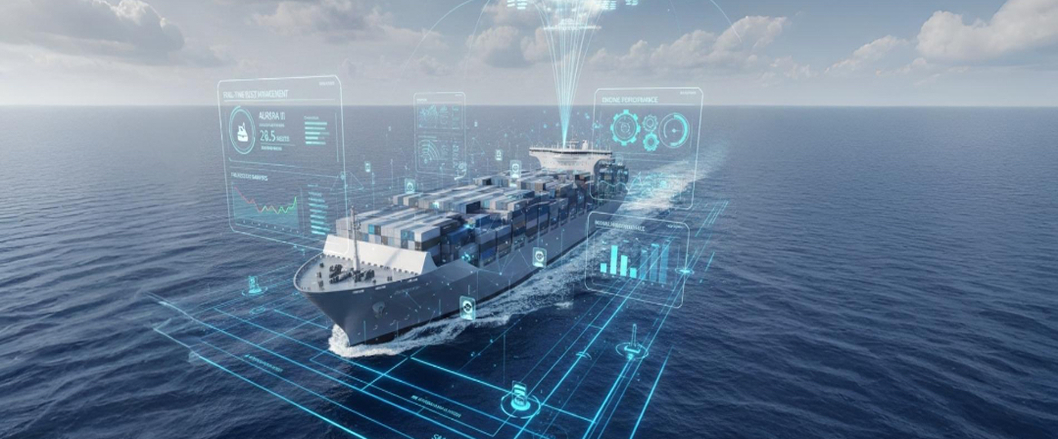
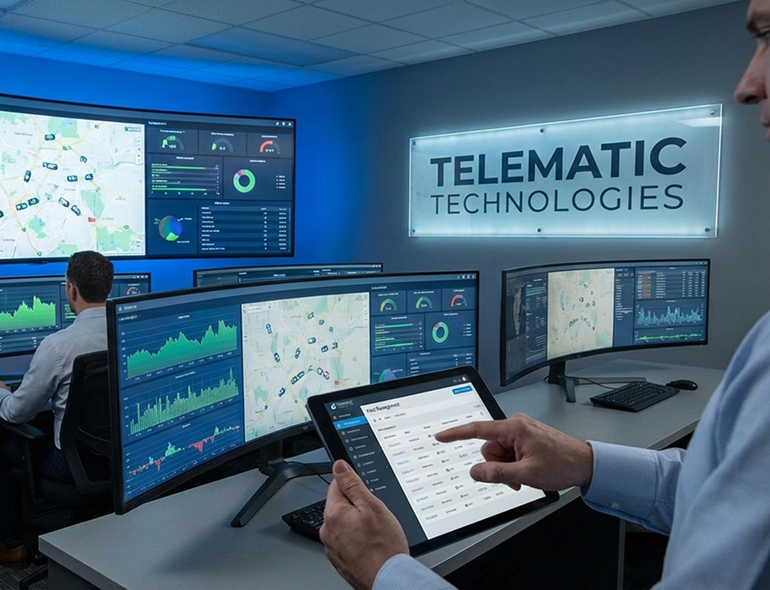
Telematics & connected digital technologies through the CAN Bus make it possible to monitor all of your machines/vessels in real-time.This forms the foundation of modern telematics fleet management, enabling centralized visibility across marine, industrial, and heavy-equipment operations.
CallComm enables fleet managers to have detailed information on fuel consumption, engine performance, and operational efficiency for all marine vessels, heavy equipment, and industrial fleets through accurate, real-time data delivered via a reliable vehicle telematics system.
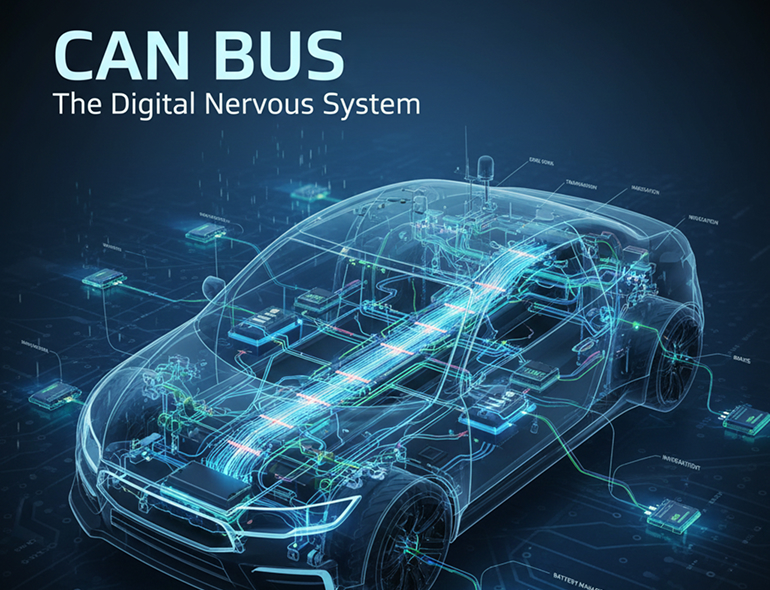
The CAN Bus is the key to a vehicle’s digital “nervous system” to ensure that all electronic systems within a vehicle/machine operate together in a synchronized and timely manner. Without the use of the CAN Bus, the following would be evident in the marketplace:
By using the CAN Bus in the Trade, fleet managers will have access to 100% of their machine data, have the ability to make real-time decisions, and increase the operational efficiencies of their vehicles and machines.
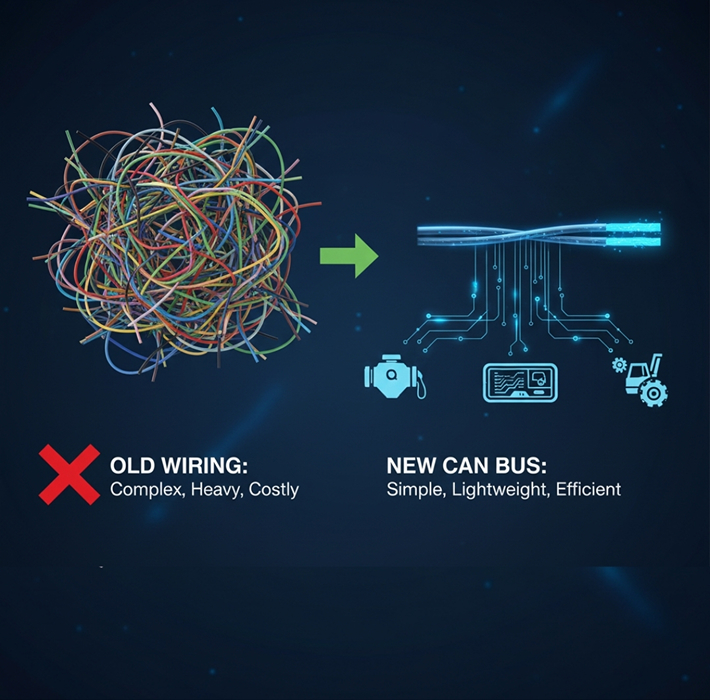
A two-wire bus replaces multiple points-to-point wires and will provide a weight savings on the vehicle’s wiring harness, a higher level of fuel efficiency, and a reduction in the cost of both manufacturing and maintaining the vehicles; this is especially important for commercial vehicles and heavy equipment.
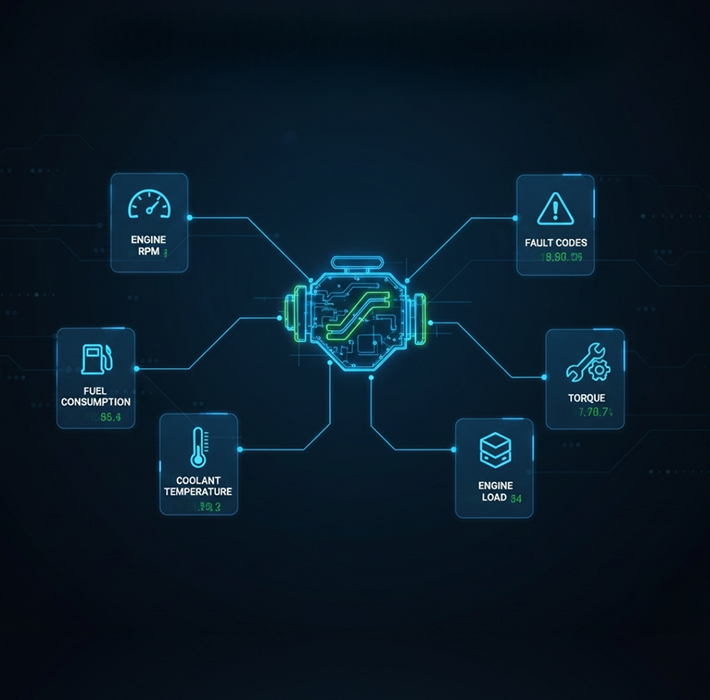
Real-time access to engine RPM, fuel consumption, coolant temperature, load, torque, and fault codes allows for precise monitoring of the engine and control of its operation.

The CAN Bus products are engineered to withstand extreme conditions such as vibration, dust, heat, and electrical interference, thus making them well-suited for use in construction, industrial, agricultural, and transportation industries.
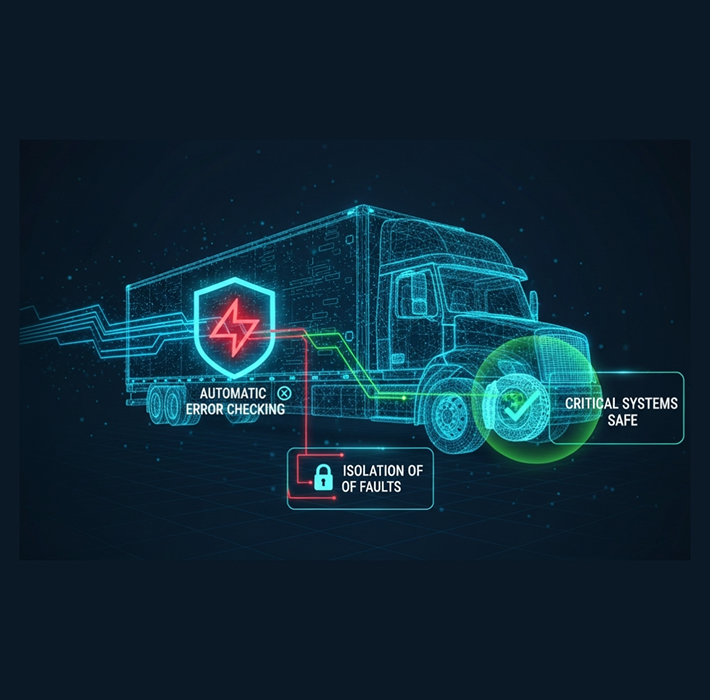
Automatic error checking, isolation of faults, and corruption-free transfer of data will keep critical systems safe during operation.
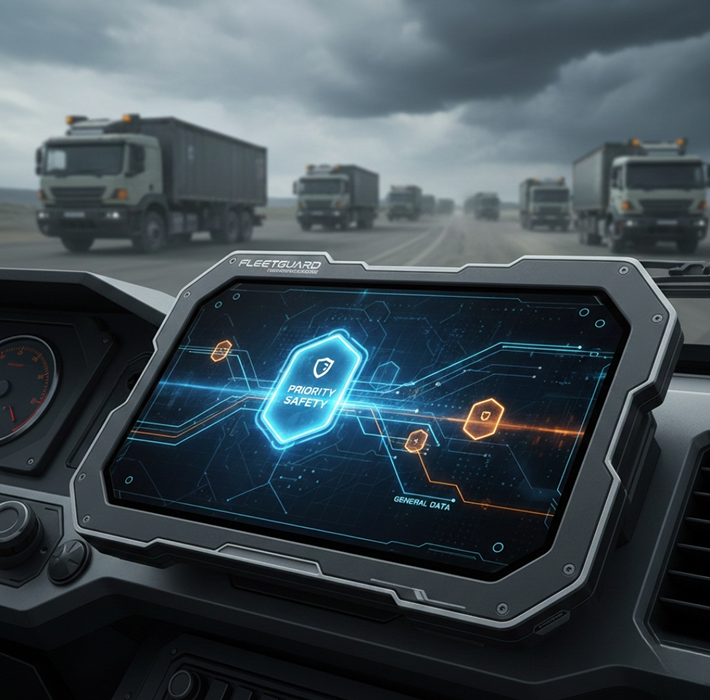
Safety messages are assigned the highest priority which results in guaranteed predictable response times without data loss or collisions.
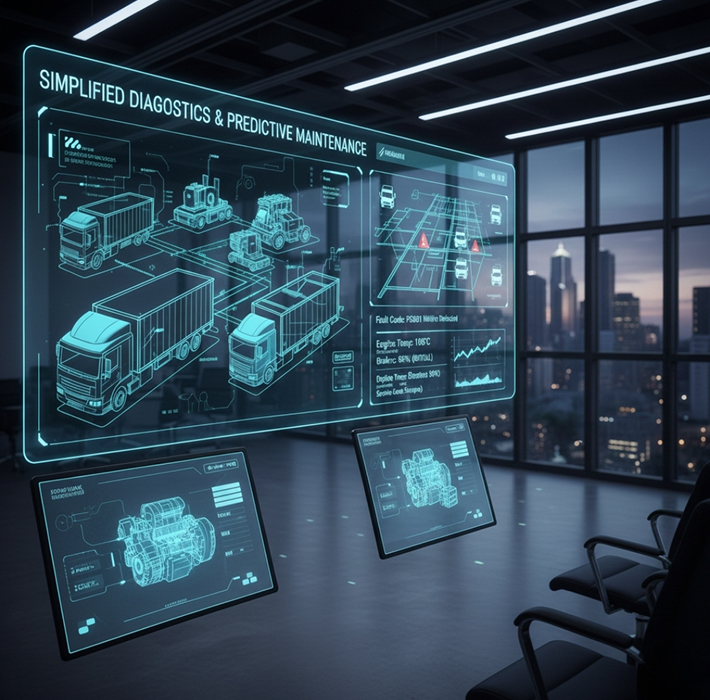
Instantaneous fault code reporting, remote diagnostic capabilities, and early detection of failures provide opportunities to minimize equipment downtime and reduce service costs.
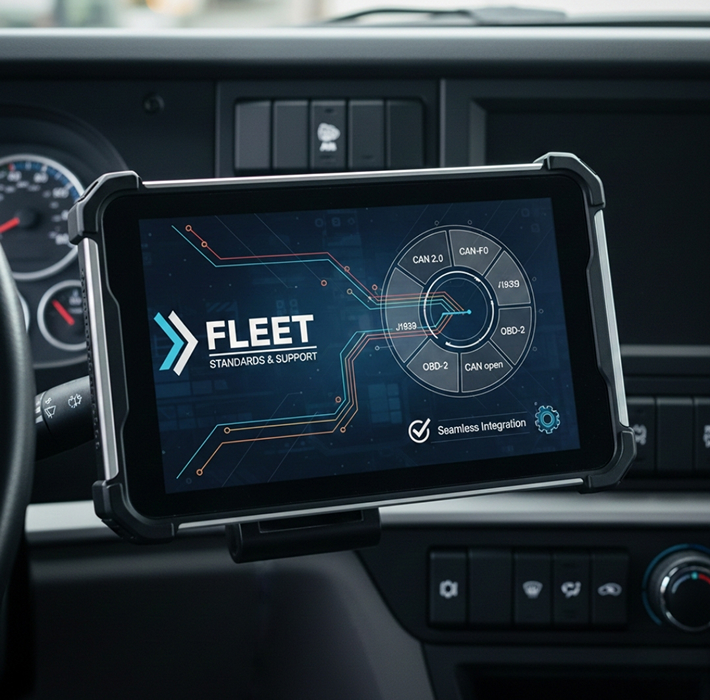
CAN 2.0, CAN-FD, J1939, OBD-2, and CAN open compatibility enables easy installation and integration of OEM electronic control units (ECUs) and aftermarket products from third-party suppliers.
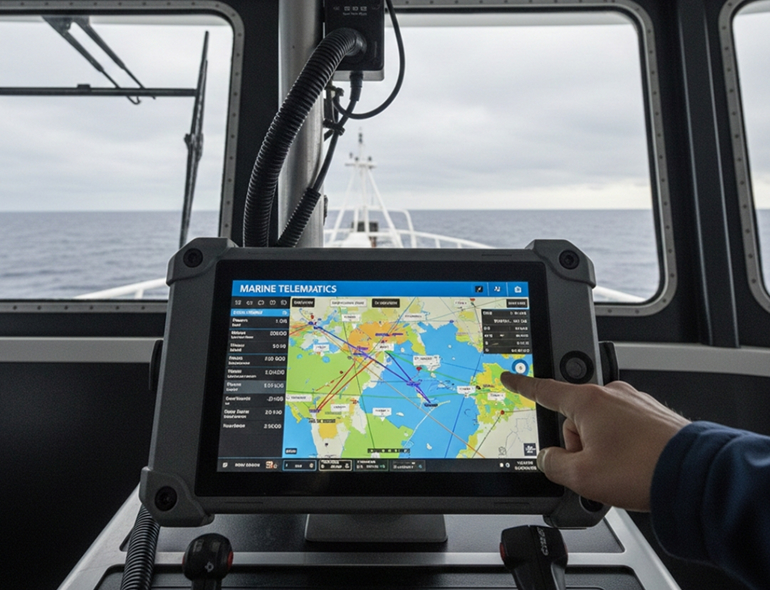
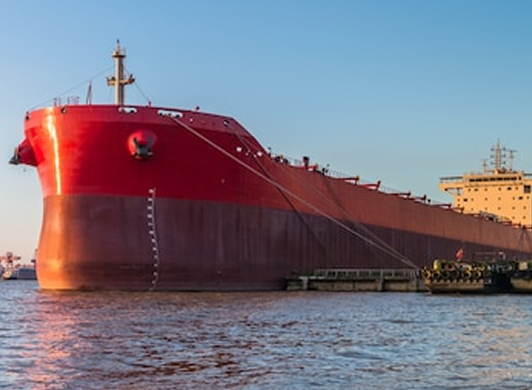
CallComm marine telematics system for sea and river watercraft is based on accurate tools for fuel consumption measurement using DFM and DFM Marine fuel flow meters installed in the fuel lines of main engines, auxiliary engines, diesel generators, and boilers/heaters. The system also includes DUT-E fuel level sensors installed in fuel tanks and Master CANUp I/O modules for gathering sensor data and transmitting it to the server. The telematics gateway processes and transmits this information to a cloud-based platform, where it is displayed through dashboards, charts, and reports supporting advanced telematics vehicle tracking and operational analysis.
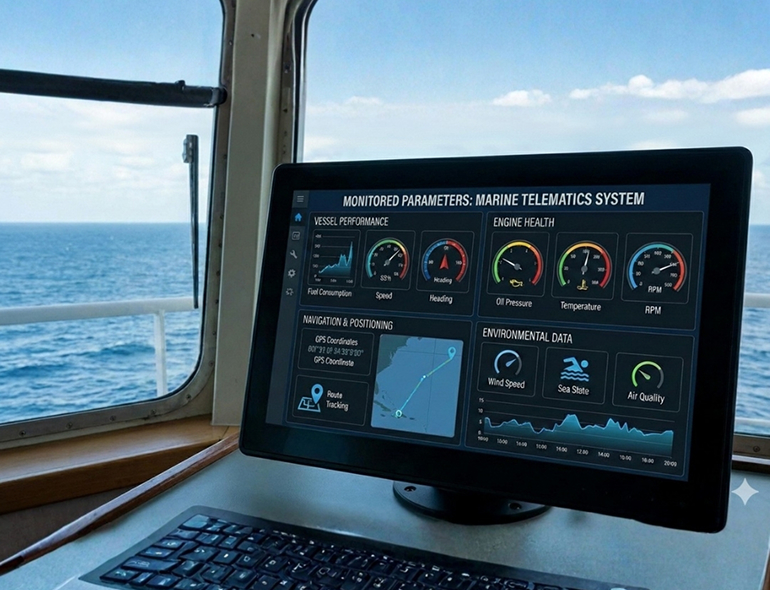
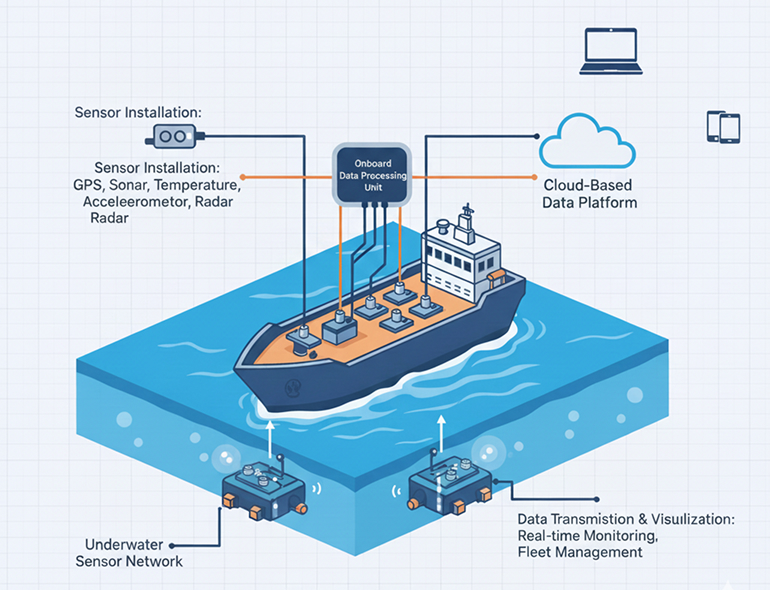
All sensors are connected to the CAN Bus telematics device using S6 network cables. Data is transmitted to the cloud server via GSM IoT SIM and can be accessed through a web browser from anywhere.

A single-wire network combining smart sensors and IoT devices for monitoring complex stationary and mobile objects such as marine vessels, vehicles, locomotives, and industrial equipment.

Global Navigation Satellite System for accurate positioning using satellite signal processing.

Reads signals from standard and additional sensors, captures location data, and transmits information to the server.

A complete solution for real-time monitoring and trip analysis, covering route, fuel consumption, working time, fuel level, idle time, and alerts.
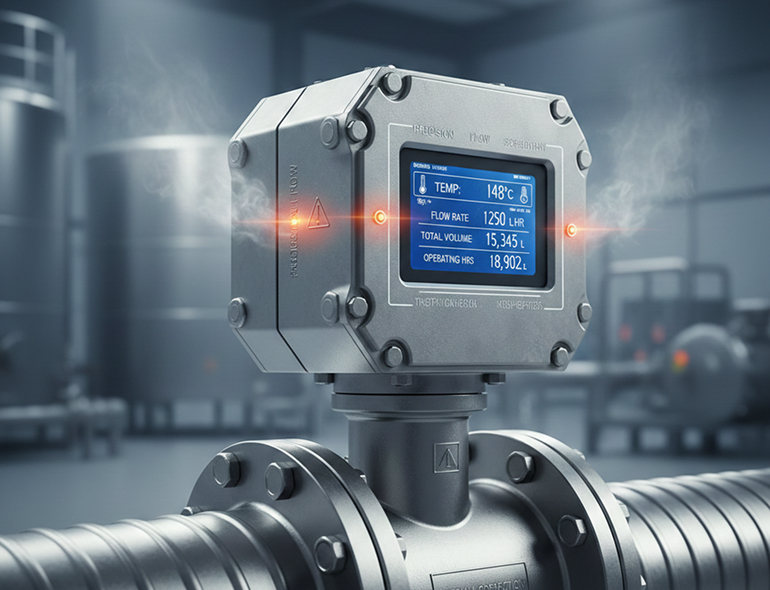
High-precision volumetric fuel consumption measurement devices designed for marine transport, locomotives, generators, burners, and quarry vehicles, offering accurate fuel consumption and operating time measurement, thermal compensation for ambient temperature variations, safe operation at high fuel temperatures up to +150 °C, explosion and fire safety, and reliable performance in harsh operating conditions
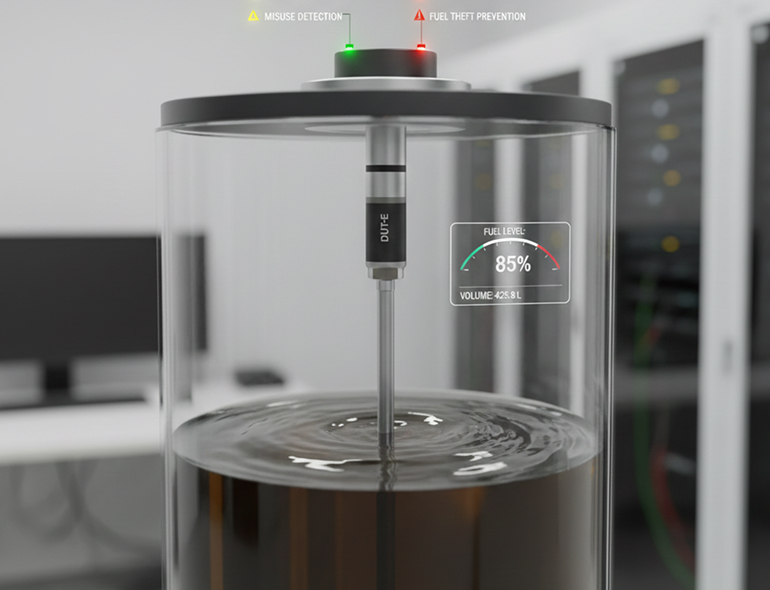
Used for accurate fuel level and volume measurement in tanks. Enables detection of refueling, draining, misuse, and fuel theft, providing a comprehensive overview of fuel usage.
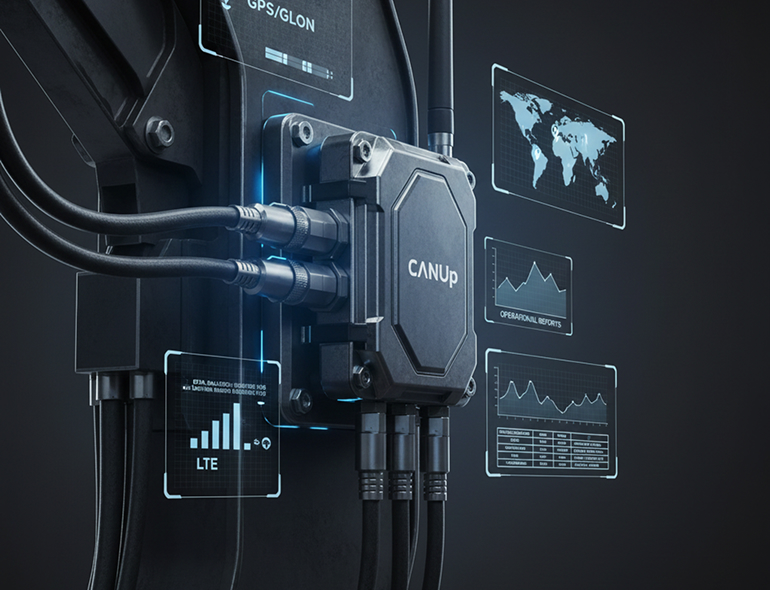
Designed to gather and analyze large volumes of machinery operation data, track GPS/GLONASS position, and generate operational reports via GSM networks.
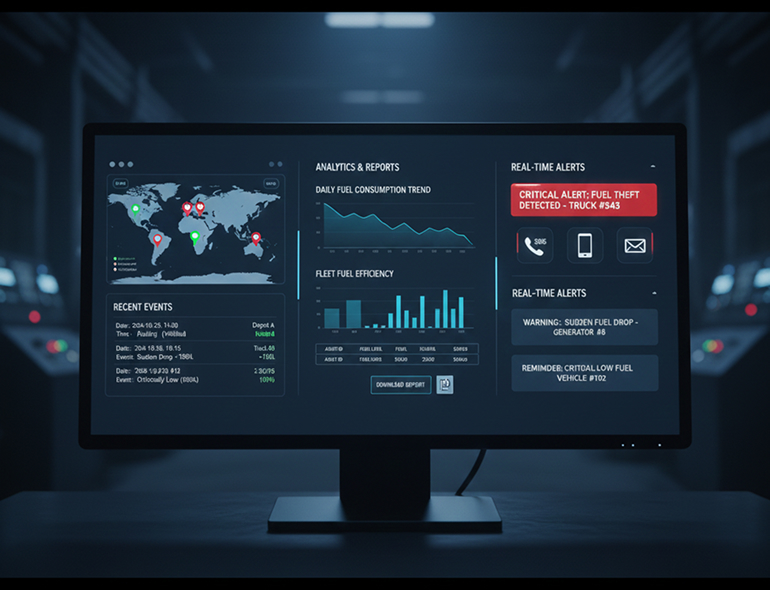
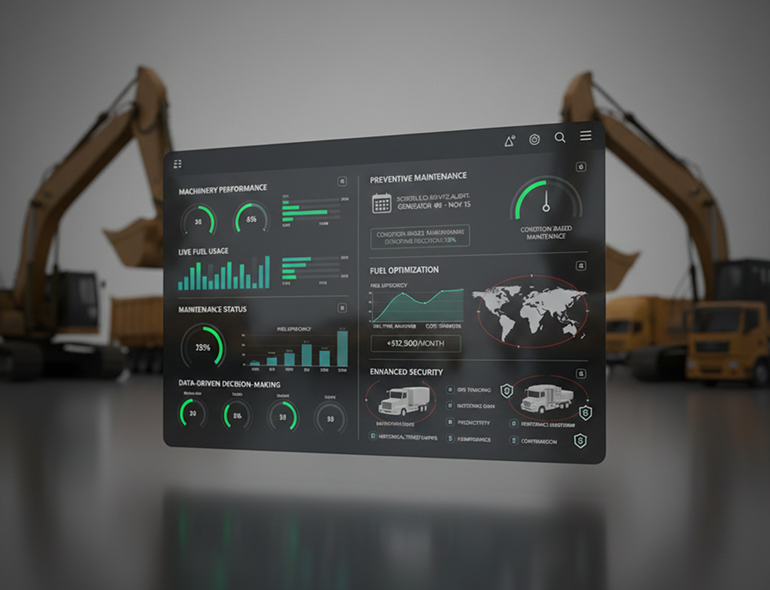
Live data on machinery performance, fuel usage, and maintenance needs enables faster and better decision-making.
Maintenance scheduling based on actual usage reduces breakdowns and downtime.
Insights into consumption patterns, idle time, and efficiency help reduce fuel costs.
GPS tracking and geofencing protect assets from theft and unauthorized use.
Historical trend analysis identifies productivity bottlenecks and improves performance planning.
CAN Bus telematics is a connected digital technology that enables real-time communication between a vehicle or vessel’s electronic systems. In marine and industrial operations, it plays a critical role in telematics fleet management by delivering accurate insights into fuel consumption, engine performance, operating hours, and diagnostics; helping fleet managers improve efficiency, reduce operating costs, and make informed, data-driven decisions.
The system monitors critical operational data including fuel level, hourly and total fuel consumption, fuel temperature, engine operating hours, current engine mode, and fuel usage across idling, optimal, and overload conditions. This comprehensive visibility supports fuel optimization, preventive maintenance, and performance analysis.
Manaviya Tech’s solution uses high-precision DFM and DFM Marine fuel flow meters installed on inlet and return fuel lines of engines, generators, and boilers. Combined with DUT-E fuel level sensors in tanks, the system ensures accurate fuel measurement, detection of refueling events, and prevention of fuel theft or misuse.
All onboard sensors are connected to the CANUp telematics gateway using S6 network cables. The gateway collects and processes sensor data and transmits it securely to a cloud-based server via a GSM IoT SIM. Fleet managers can access real-time and historical insights through a web browser, enabling reliable telematics vehicle tracking and remote monitoring from any location.
The system automatically records fuel filling events with date, time, and location. Users can download detailed reports on demand and receive real-time alerts via SMS, mobile app, or email for sudden fuel drops, abnormal consumption, or critically low fuel levels.
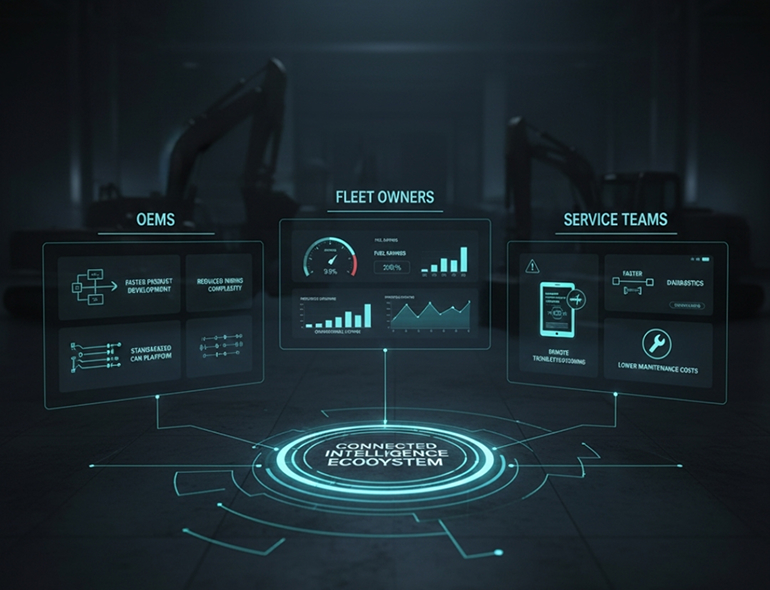
Manaviya Tech’s solution benefits OEMs by reducing wiring complexity and accelerating development, fleet owners by lowering fuel costs and minimizing downtime, and service teams through faster diagnostics and remote troubleshooting. As a scalable vehicle telematics system, it is ideal for marine vessels, heavy equipment, industrial machinery, and commercial fleets operating in demanding environments.

test